Belcarra Garden Club
BC, Canada
English Country Garden
Here’s a wee bit of a May Mother’s Day homage to my dear Mum, who was born in England!

I was thinking about that old song, “English Country Garden” and wondered how many of those flowers grow here in Belcarra?
(This Jimmie Rodgers version was top of the UK charts in 1961.)
(Mum was only 39 then, but she was still singing along until almost 99!
)

(image created with Nano Banana AI)
It seems our damp, PNW shade suits many of the lovely flowers in the lyrics. I would say that Foxgloves (Digitalis purpurea) are truly our most prolific! Europeans brought them here in the 17th century. Snowdrops (Galanthus) and daffodils (Narcissus) are favourites here as early spring bloomers. Forget-me-nots (Myosotis) self-seed regularly. Heart’s ease (Viola tricolor-Johnny Jump Ups) spread out as they grow. We probably don't see Douglas’ Meadowsweet (Spiraea douglasii douglasii), which is in the same Spiraea family as the European Meadowsweet (Filipendula ulmaria) or Lady smocks, cuckoo flower (Cardamine pratensis) but they do live in the lower Fraser Valley in wet streamsides.
Other flowers mentioned in the lyrics grow well in our sunnier gardens. We have three main types of Phlox (Phlox: creeping, woodland, and summer). Gardenworks advertises 27 types, but there are over 60 native varieties! Hollyhocks (Alcea rosea) can thrive for years and self-seed. Gentian (Gentiana acaulis) is used in rock gardens and borders. Lupines (Lupinus) have many native relatives that thrive in open PNW meadows. Of course we love roses (Rosa spp.), but they require full sun for optimal blooms.
As gardeners, we also appreciate our local birds and insects (well, maybe not all the insects!) For Verses 2 and 3, we see a lot of wildlife in our mild, moist woodland habitat here. We certainly see moths, gnats, bees, spiders, butterflies, ants, snakes, tanagers, thrushes (Varied/Swainson’s), and robins (American). The species we don’t see here in Belcarra are fireflies, bobolink, cuckoo, quail, cardinal, bluebirds (interior grassland breeders), Larks (Sky Larks are seen in Saanich), and Nightingales.
Happy gardening, especially to our dear Moms!
After writing this article, I got to thinking...
what exactly is an "English Country Garden?
I really liked this quote from https://wildgardenexpert.com/english-country-garden/
"Creating an English country style garden is all about blending charm and relaxation with practical beauty.
Think traditional elements like meandering paths, wildflower patches, and classic stonework that evoke a sense of coziness and timelessness.
It’s a space where English roses, lavender, and boxwood hedges mingle naturally, offering not just visual appeal but also a touch of serenity, ideal for enjoying the outdoors."
Check out the links below for further inspiration on creating your own "English Country Garden"!
Related Links:
English Country Gardens
17+ English Country Garden Ideas and Key Features
https://wildgardenexpert.com/english-country-garden/
https://www.gardenista.com/posts/10-ideas-to-steal-from-english-cottage-gardens/
30 English Garden Design Ideas We Love
https://www.thespruce.com/english-garden-designs-4588055
16 Best English Garden Ideas and Designs to Inspire You - Country Living
https://www.countryliving.com/gardening/garden-ideas/g1665/english-garden-design/
38 English Country Gardens That Whisper Serenity
https://homeisd.com/english-country-gardens/
Gertrude Jekyll and the Country House Garden: From the Archives of Country Life
https://www.goodreads.com/book/show/9118768-gertrude-jekyll-and-the-country-house-garden
Shade Lovers
Foxgloves (Digitalis purpurea)
https://www.thespruce.com/tall-toxic-foxglove-plants-2132588
Snowdrops (Galanthus)
https://www.phoenixperennials.com/snowdrops-and-snowflakes-for-the-garden/
Daffodils (Narcissus)
https://www.devroomen.ca/product-range/14/daffodils
Forget-me-nots (Myosotis)
Forget Me Not Seeds - Canada Online | Circle Farms
Heart’s ease (Viola tricolor-Johnny Jump Ups)
Heartsease - The Little Plant with a Big Heart - Avid Planter
12 Unexpected Health Uses of Heartsease with Recipes 🌸
Douglas’ Meadowsweet (Spiraea douglasii douglasii)
Douglas' Meadowsweet (Spiraea douglasii douglasii) - Botanical Realm
Lady smocks, cuckoo flower (Cardamine pratensis)
https://linnet.geog.ubc.ca/Atlas/Atlas.aspx?sciname=Cardamine+pratensis
Lady’s Smock | Wildlife Gardening Forum
Sun Lovers
Phlox
https://theplantnative.com/plant/phloxes/
Hollyhocks (Alcea rosea)
https://coastfarms.ca/pages/planting-guide/how-to-plant-alcea-hollyhocks-a-complete-growing-guide
Gentian (Gentiana acaulis)
https://plants.gardenworks.ca/11190002/Plant/2348/Spring_Gentian/
Lupines (Lupinus)
https://positivebloom.com/lupines-growing-guide/
https://www.thespruce.com/growing-lupine-flowers-1316034
Roses (Rosa spp.) Of course there are many rose websites!
https://www.fraservalleyrosefarm.com/
Around the Garden
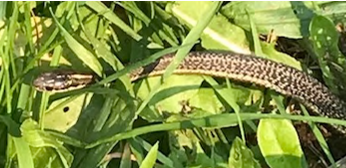
Our Common Garter Snakes are not venomous but may bite if threatened. Some people can be allergic to their salvia. They can grow to 46 - 130cm, with females being larger than males. It is thought that their name comes from the stripes on their sides, which resemble old-fashioned leg garters. They are also known as Garden Snakes. They give birth to live young, called snakelets, in late summer or early fall. In winter they hibernate in communal underground dens called hibernacula to escape freezing temperatures. The key attractants in our own garden are rock and brush piles for shelter. They love our pathways for sunbathing, and we often see many of them on hot days. To encourage snakes in your Belcarra garden, create a warm safe habitat by stacking rocks and logs for shelter and avoid pesticides. A shallow freshwater source will also attract them. Be on the lookout, you may get to see some of these helpful, but fast, little guys too. |